If you're planning a new walkway, patio, or driveway for your home in the Everett, Seattle, or greater Snohomish and King County area, choosing the right concrete finish makes all the difference. The Pacific Northwest climate — with its heavy rainfall, freeze-thaw cycles, and moss-friendly conditions — demands materials and finishes that look great and hold up year after year.
In this guide, we'll walk through the most popular concrete flatwork options for residential projects and help you understand which finish works best for your property.
Key Takeaways
- Broom finish is the workhorse — The most practical and affordable option, offering superior slip resistance for PNW rain conditions
- Exposed aggregate adds natural beauty — Reveals decorative stones within the concrete for a textured, durable surface that complements Pacific Northwest landscaping
- Stamped concrete mimics premium materials — Achieve the look of slate, brick, or wood at a fraction of the cost, though it requires periodic resealing
- Proper drainage and subbase are critical — Pacific Northwest soils retain moisture, making compaction and slope (¼ inch per foot minimum) essential for long-lasting flatwork
- Late spring through early fall is ideal — Pour concrete between May and September for the best curing conditions in Western Washington
What Is Concrete Flatwork?
Concrete flatwork refers to any poured concrete surface that's essentially flat and horizontal. This includes:
- Walkways and sidewalks
- Patios and outdoor living areas
- Driveways and parking pads
- Pool decks
- Garage floors
The "flatwork" distinction matters because these surfaces require specific finishing techniques, proper drainage slopes, and reinforcement methods that differ from vertical concrete work like retaining walls or foundations.
Popular Concrete Finish Options
Broom Finish (Brushed Concrete)
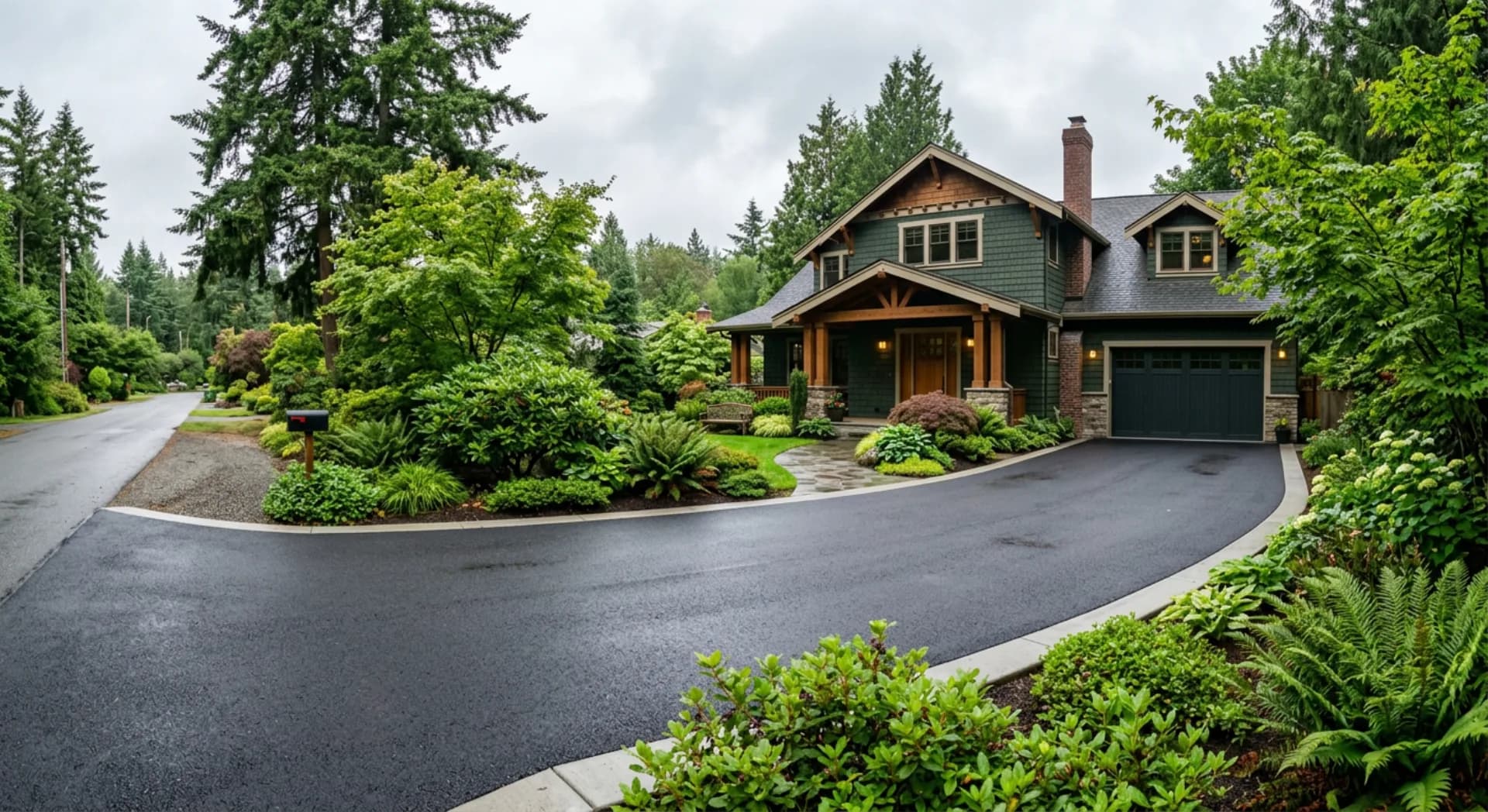
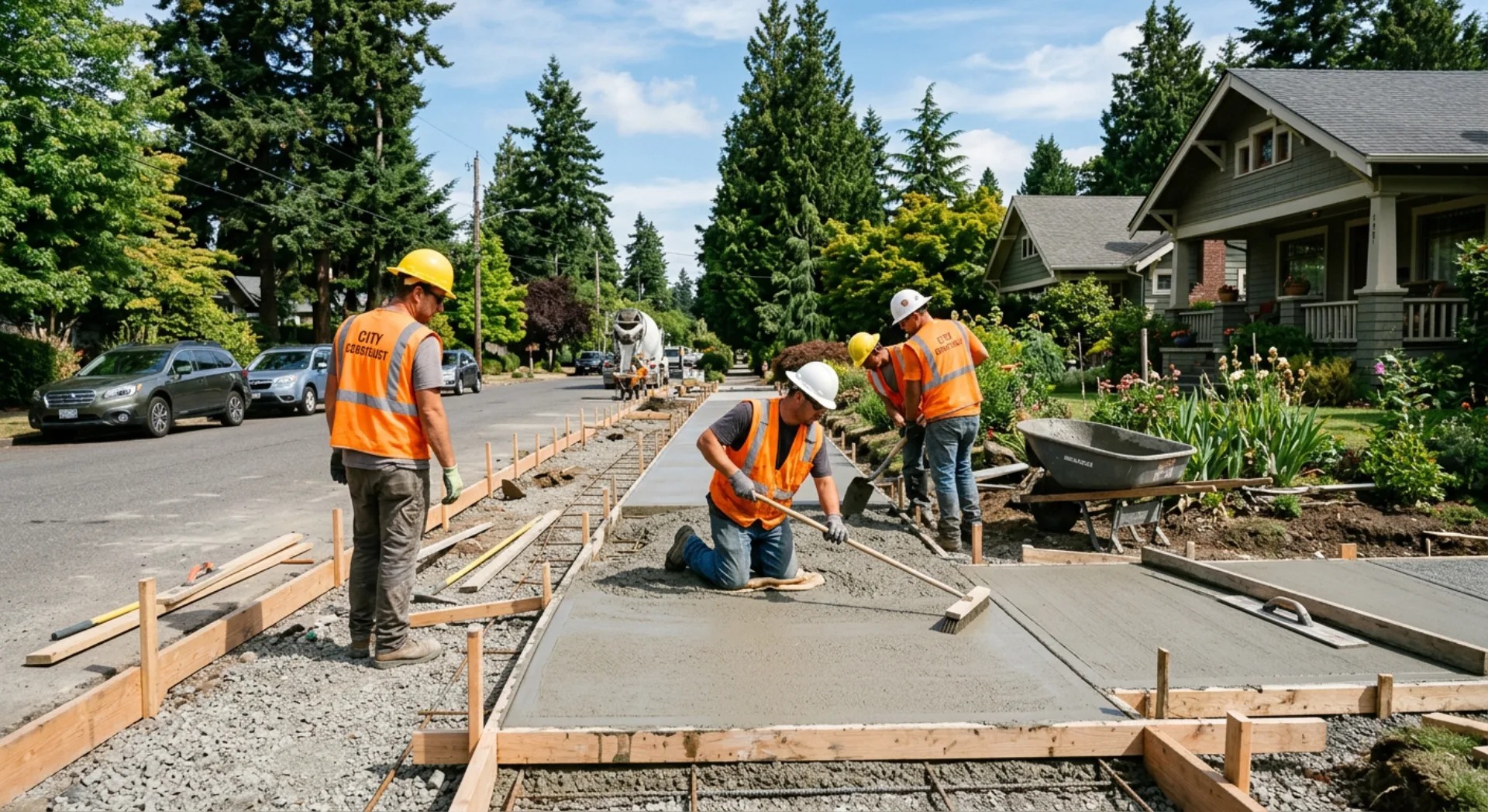
The broom finish is the most common and practical choice for residential flatwork in the Pacific Northwest. After the concrete is poured and leveled, a broom is dragged across the surface to create fine, parallel lines that provide excellent traction.
Why it works in the PNW:
- Superior slip resistance in wet conditions — critical for our rainy climate
- Low maintenance and easy to clean
- Durable surface that resists wear from foot and vehicle traffic
- Works perfectly for sidewalks, driveways, and utility areas
Broom-finished concrete is the go-to for municipal sidewalks and ADA-compliant surfaces, and it's just as effective for residential walkways and driveways throughout Snohomish County.
Exposed Aggregate
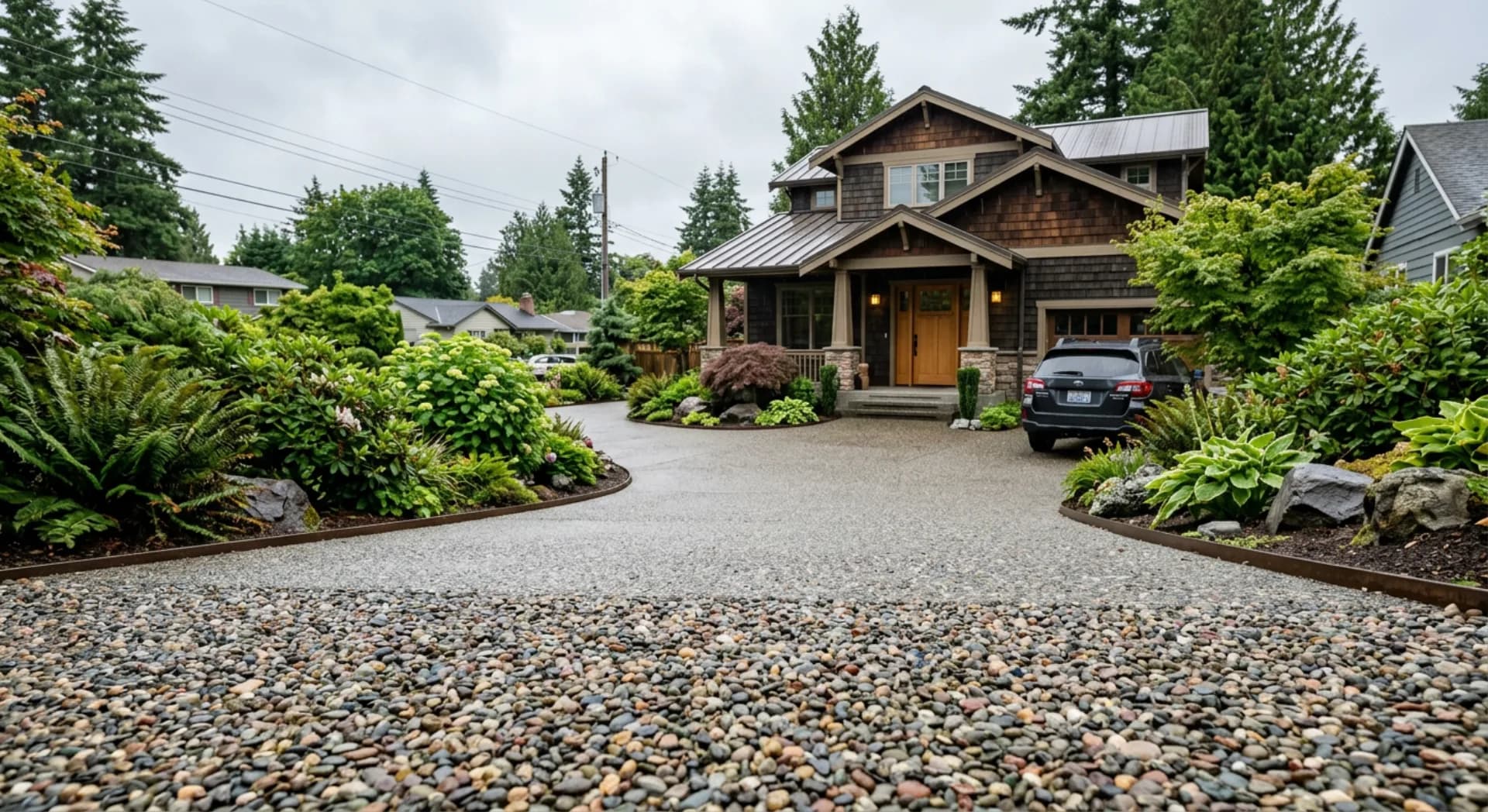
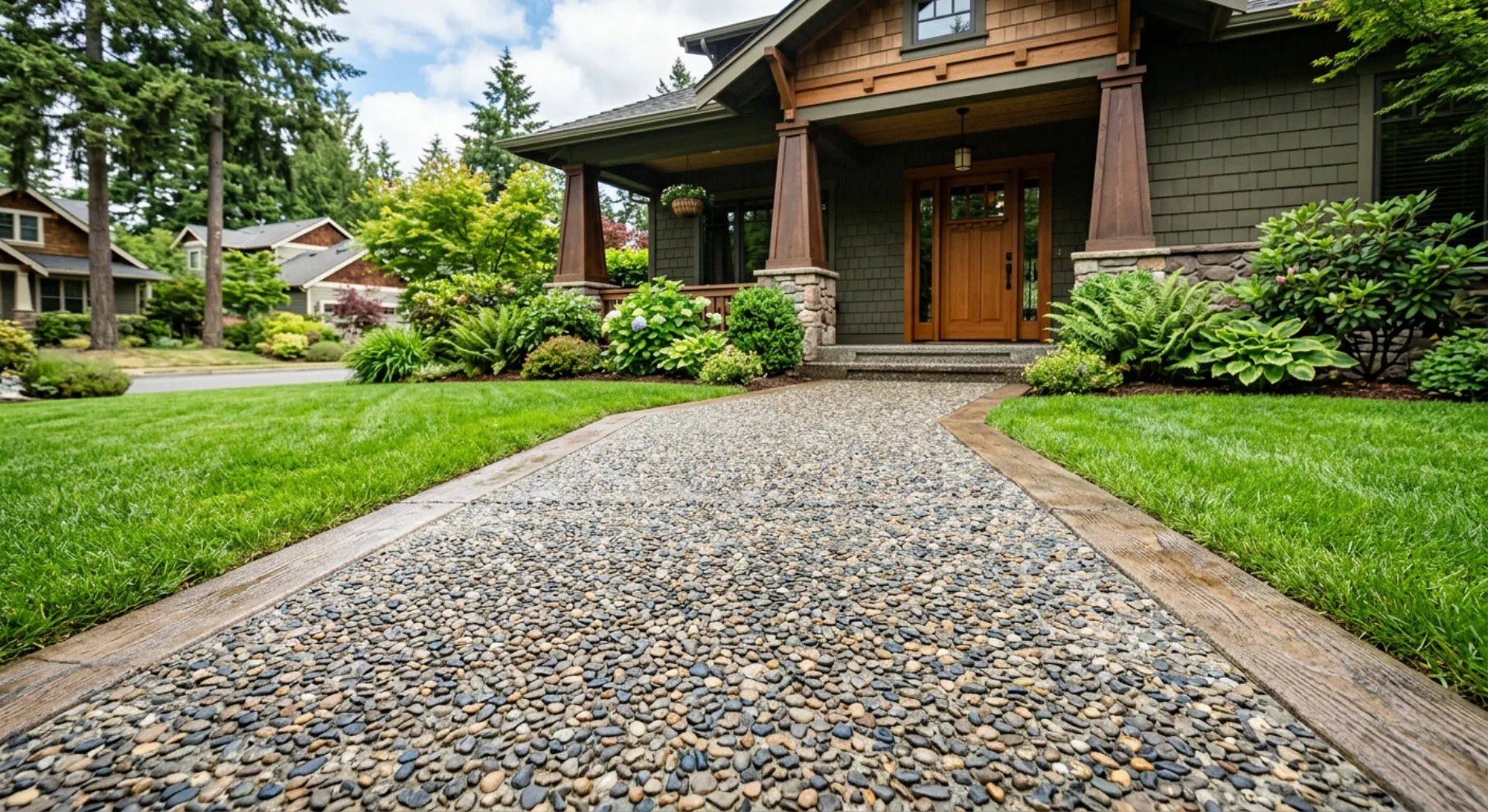
Exposed aggregate is one of the most visually striking concrete finishes available. The process involves pouring concrete with decorative stones mixed in, then washing away the top layer of cement paste to reveal the natural stone underneath.
Why homeowners love it:
- Natural, textured appearance that complements PNW landscaping
- Excellent slip resistance thanks to the raised stone surface
- Wide variety of stone colors and sizes to match your home's aesthetic
- Extremely durable — the exposed stone surface resists wear better than smooth finishes
Exposed aggregate pairs beautifully with the craftsman and mid-century homes common in Everett, Marysville, Lake Stevens, and surrounding neighborhoods. The natural stone texture blends seamlessly with Pacific Northwest gardens and greenery. Learn more about the benefits of exposed aggregate concrete in our dedicated guide.
Stamped Concrete
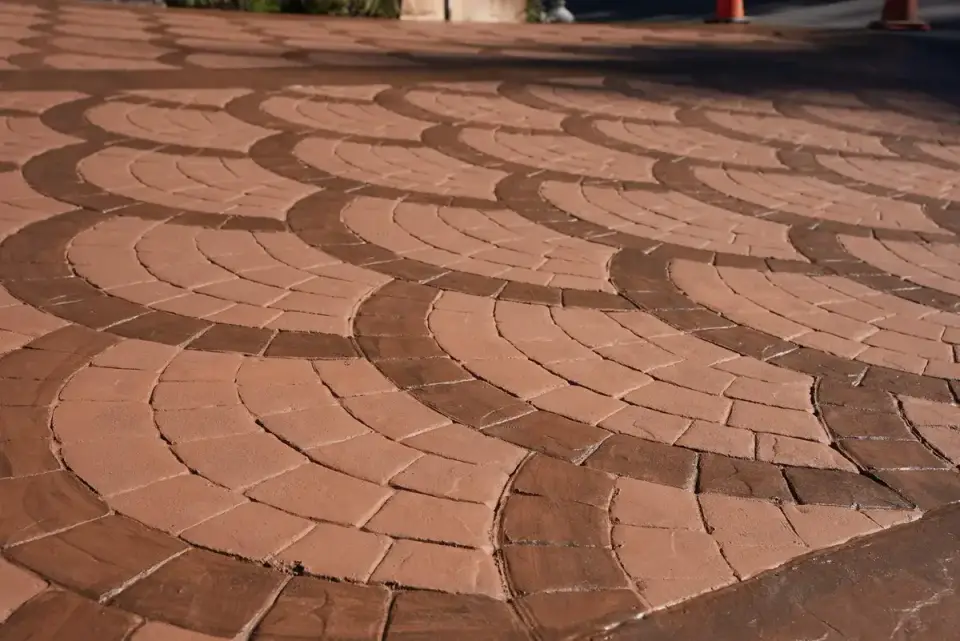
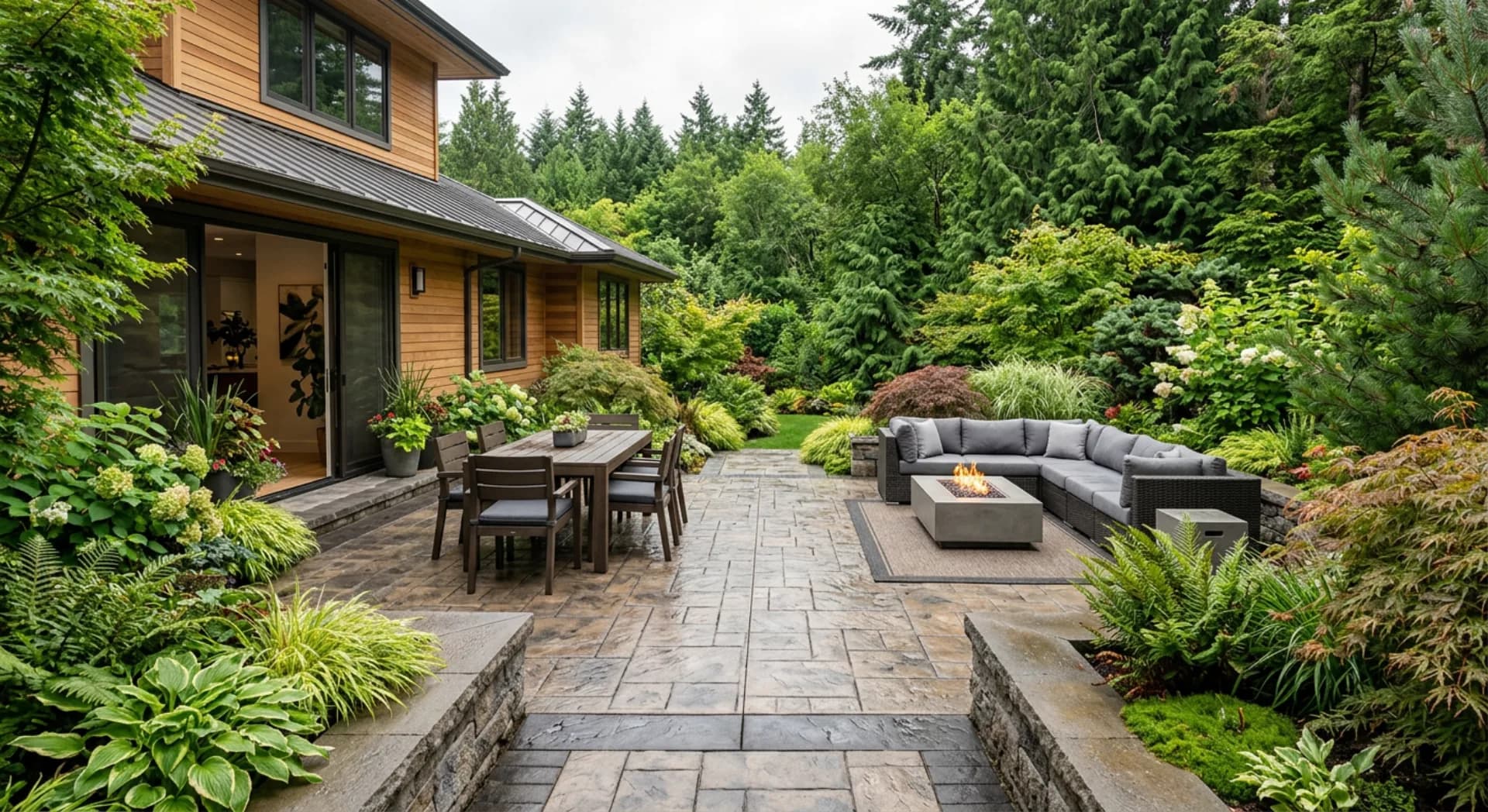
Stamped concrete uses specialized molds pressed into freshly poured concrete to create patterns that mimic brick, slate, flagstone, cobblestone, or even wood planks. Combined with integral color or surface-applied stains, stamped concrete can transform a basic patio into a stunning outdoor living space.
Popular patterns for PNW homes:
- Ashlar slate for a natural stone look
- Herringbone brick for traditional charm
- Random stone for rustic, organic aesthetics
- Wood plank patterns for modern deck alternatives
Important PNW consideration: Stamped concrete requires periodic resealing (typically every two to three years) to maintain its color and protect the surface from moisture penetration. Our wet climate makes this maintenance step essential — but with proper care, stamped concrete patios and walkways last for decades. See our stamped concrete patio ideas for pattern inspiration.
Colored Concrete
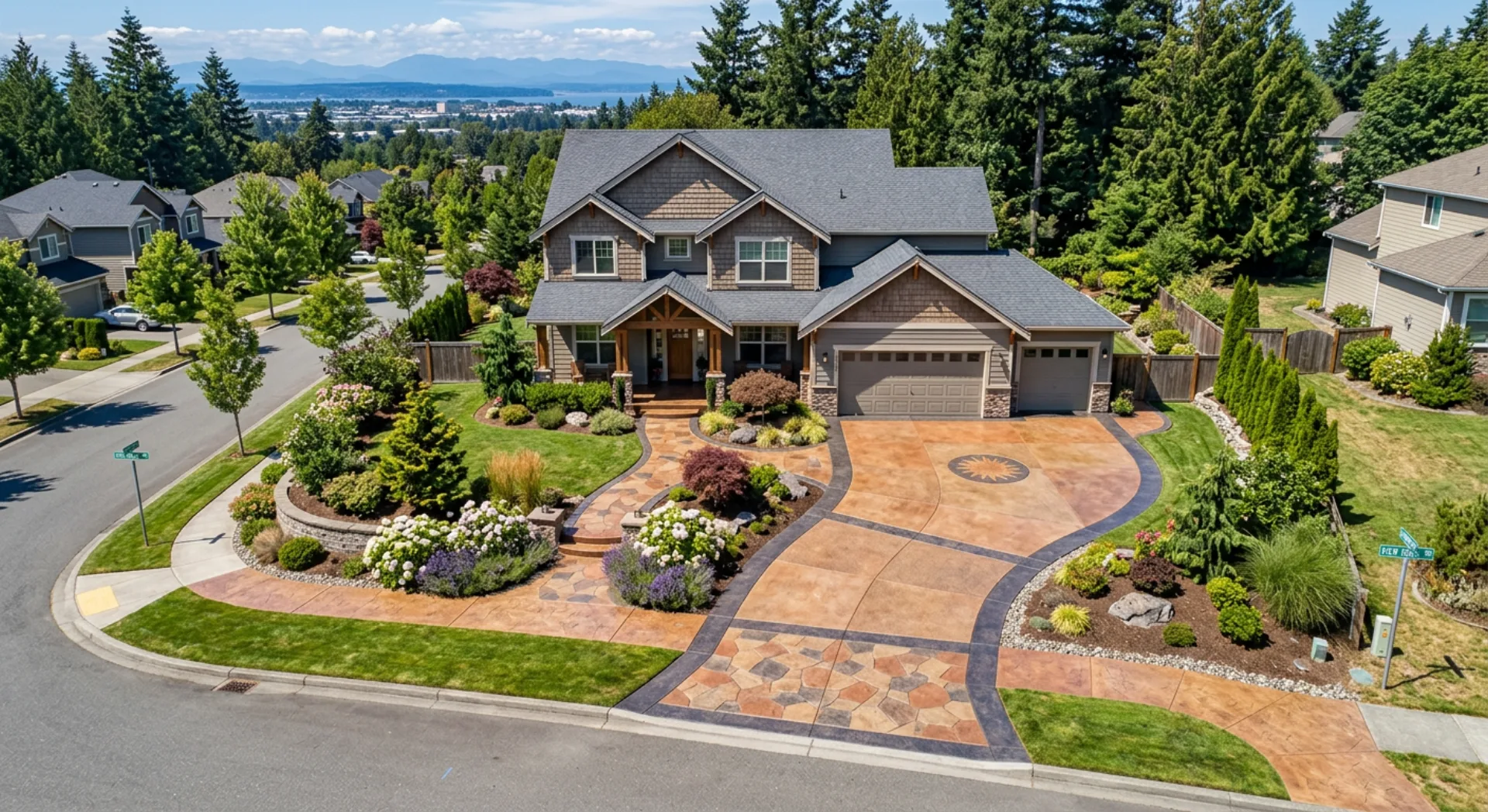
Integral color is mixed directly into the concrete before pouring, creating a consistent color throughout the entire slab. Unlike surface stains or paints that can chip or fade, integral color is permanent and won't wear away over time.
Color trends in the Pacific Northwest:
- Warm earth tones (sandstone, terra cotta, desert tan) to contrast with lush green landscapes
- Cool grays and charcoals for modern and contemporary homes
- Subtle buff and cream tones for a natural, understated look
Colored concrete can be combined with any finish type — broom, exposed aggregate, or stamped — giving you maximum design flexibility.
Choosing the Right Finish for Your Project
The best concrete finish depends on where it's going and how it'll be used:
For driveways: Broom finish or exposed aggregate provide the best combination of durability, traction, and visual appeal. Both handle vehicle traffic and PNW weather exceptionally well.
For patios and outdoor living: Stamped concrete or colored exposed aggregate create inviting spaces that feel like natural stone or brick. Consider combining finishes — a stamped patio border with a broom-finished center, for example.
For walkways and sidewalks: Any finish works well, but exposed aggregate and broom finish are the most popular choices in King and Snohomish County neighborhoods. They offer reliable slip resistance and minimal upkeep. If your existing sidewalks are showing wear, check our guide on concrete sidewalk repair vs replacement.
For pool decks and wet areas: Broom finish and exposed aggregate are the safest options due to their superior traction when wet. Avoid smooth or heavily sealed finishes in areas that stay consistently damp.
PNW-Specific Considerations
Living in the Pacific Northwest means your concrete flatwork needs to handle some unique challenges:
Drainage is everything. Proper slope (typically a quarter inch per foot minimum) ensures water flows away from your home's foundation. Poor drainage leads to standing water, premature cracking, and potential structural issues.
Control joints prevent random cracking. Concrete will crack — that's physics. Control joints placed at proper intervals (usually every eight to twelve feet) guide those cracks into neat, planned lines rather than random zigzags across your new patio.
Subbase preparation matters. The rain-saturated soils common in Western Washington require thorough compaction and proper gravel subbase to prevent settling and heaving. Skipping this step is the number one cause of concrete flatwork failure in our region.
Moss and algae management. Shaded areas in the PNW will eventually grow moss on virtually any surface. Textured finishes like broom and exposed aggregate are easier to pressure wash and treat than smooth or stamped surfaces.
When to Pour Concrete in the Pacific Northwest
Timing your concrete project matters. The ideal window for pouring concrete in Western Washington runs from late spring through early fall — roughly May through September. During this period:
- Temperatures stay consistently above 50°F, allowing proper curing
- Less rain reduces the risk of surface damage during finishing
- Longer daylight hours give crews more working time
That said, experienced contractors can pour concrete successfully outside this window with proper precautions like insulated blankets, accelerating admixtures, and weather monitoring.
Frequently Asked Questions
How thick should concrete flatwork be for a driveway?
Residential driveways should be a minimum of 4 inches thick, with 5 to 6 inches recommended for areas that will support heavier vehicles like trucks or RVs. The thickness should be consistent across the entire slab, with proper reinforcement (rebar or wire mesh) for added strength.
How long does concrete flatwork last in the Pacific Northwest?
A properly installed concrete slab with adequate drainage and subbase preparation typically lasts 25 to 30 years or more in Western Washington. Finishes like exposed aggregate and broom tend to hold up longer than stamped concrete, which requires periodic resealing to maintain its appearance.
Can you pour concrete in the rain?
Light drizzle during the early stages of a pour can usually be managed by experienced crews with tarps and timing adjustments. However, moderate to heavy rain during finishing can damage the surface texture and weaken the concrete. Professional contractors monitor weather closely and will reschedule if conditions pose a risk.
What causes concrete flatwork to crack?
Cracking is natural in concrete and typically results from shrinkage during curing, ground movement, or freeze-thaw cycles. Control joints placed at proper intervals (every 8 to 12 feet) guide cracks into planned lines. Inadequate subbase preparation and poor drainage are the leading causes of premature or excessive cracking in the Pacific Northwest.
How much does concrete flatwork cost in the Seattle area?
Basic broom-finish concrete flatwork in King and Snohomish County typically runs $8 to $14 per square foot installed. Decorative options like stamped concrete range from $12 to $20 per square foot, and exposed aggregate falls between $10 and $18 per square foot. Site preparation, drainage needs, and accessibility affect the final price.
Start Planning Your Concrete Flatwork Project
Whether you're envisioning a new stamped patio for summer entertaining, replacing a cracked driveway, or adding walkways to improve your home's curb appeal, the right concrete flatwork solution is out there for your property.
At Jireh Asphalt & Concrete, we specialize in residential concrete flatwork throughout Everett, Marysville, Lake Stevens, and the greater King and Snohomish County area. Our team can help you choose the perfect finish, prepare a proper subbase for our local soil conditions, and deliver a finished product that looks great and lasts.
Ready to discuss your project? Contact us today for a free consultation and let's bring your concrete flatwork vision to life.