If you've been exploring concrete options for your driveway, patio, or walkway, you've likely come across exposed aggregate. This distinctive finish has become one of the most popular choices for homeowners across King and Snohomish County — and for good reason. It combines the structural strength of traditional concrete with a naturally textured surface that looks great and performs even better in our Pacific Northwest climate.
Key Takeaways
- Built-in slip resistance — The textured stone surface provides superior traction in wet conditions, making it one of the safest concrete finishes for the rainy Pacific Northwest
- Permanent beauty — Unlike stamped or painted concrete, the appearance comes from the actual stones in the mix and won't fade, peel, or wear away
- Low maintenance requirements — Regular sweeping, annual pressure washing, and resealing every 2-3 years keep exposed aggregate looking great for decades
- Versatile applications — Works for driveways, patios, walkways, and pool decks with a wide range of aggregate colors and sealer finishes to match any home style
- Outperforms alternatives long-term — No joints for moss to grow in (unlike pavers), no surface treatments to reapply (unlike stamped concrete), and far more visual appeal than plain brushed concrete
What Is Exposed Aggregate Concrete?
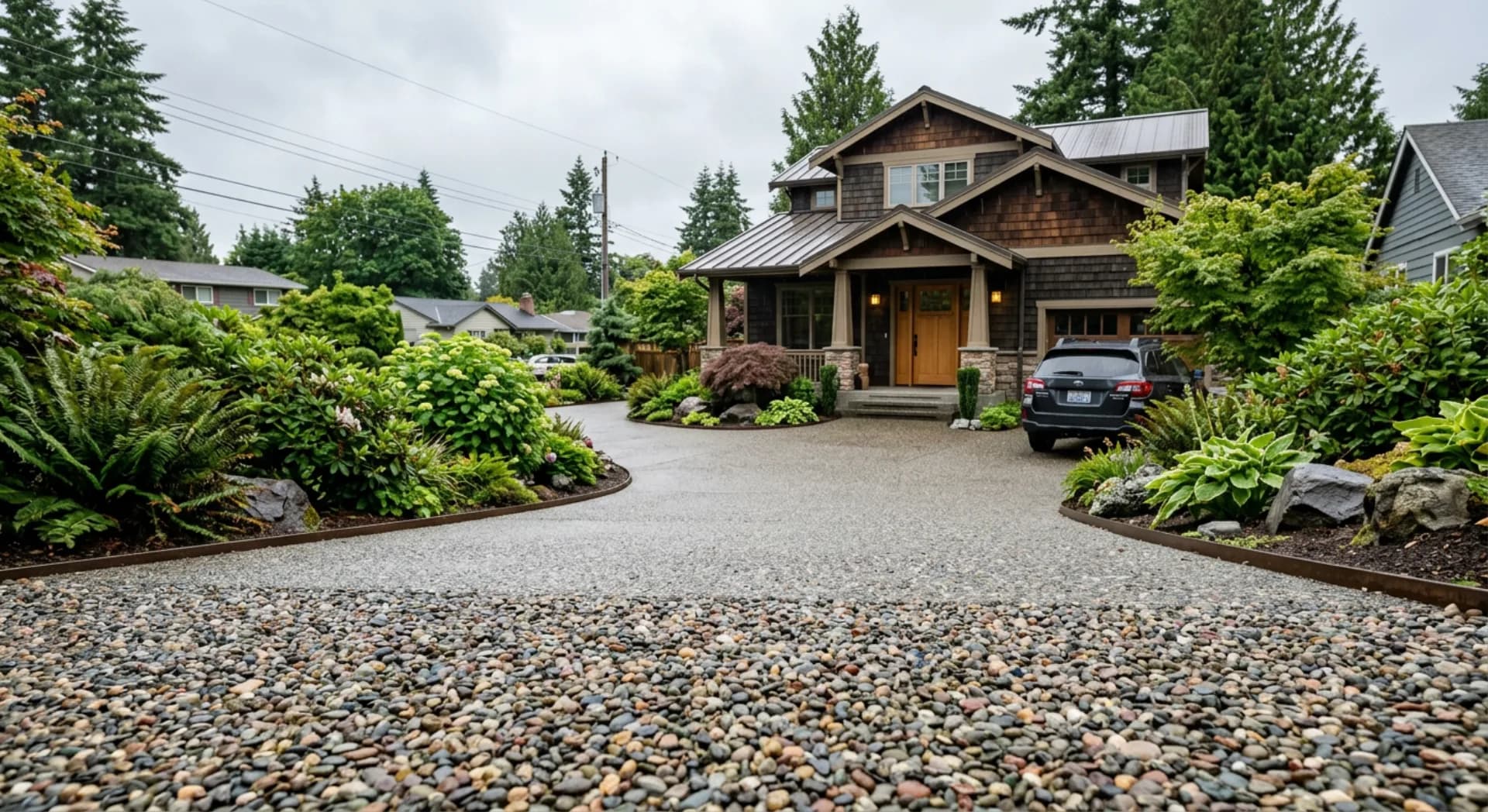
Exposed aggregate is a decorative concrete finish where the top layer of cement paste is removed to reveal the natural stones, pebbles, and sand beneath. The result is a textured, visually rich surface that showcases the beauty of natural materials while maintaining all the strength and longevity of standard concrete.
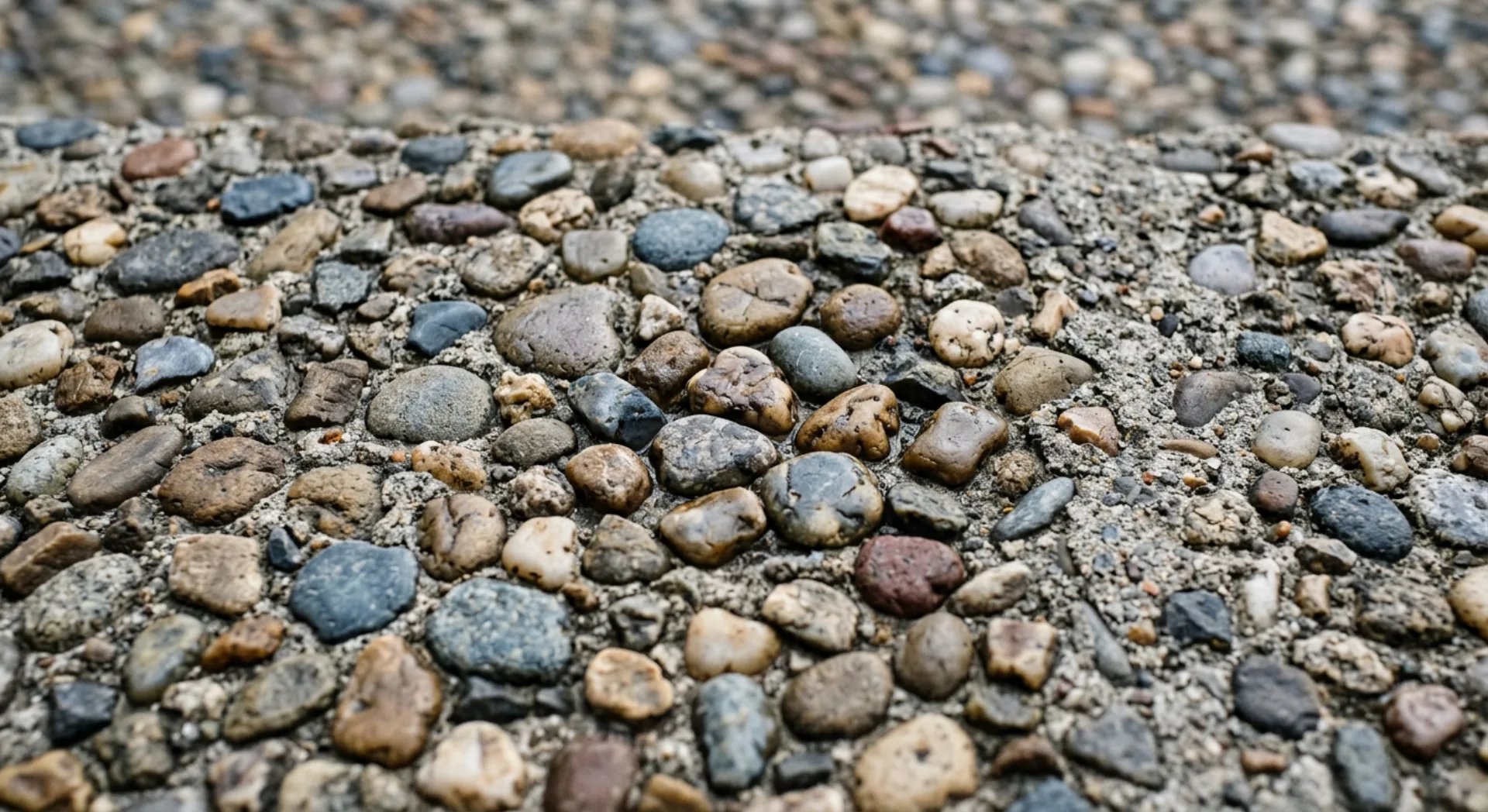
Unlike stamped or colored concrete that relies on surface treatments for its appearance, exposed aggregate gets its character from the actual materials within the mix. This means the look won't fade, peel, or wear away over time — the beauty is literally baked into the concrete itself.
Why It's Perfect for the Pacific Northwest
Our region presents unique challenges for outdoor surfaces. Between the frequent rain, temperature fluctuations, and moss-friendly conditions, not every material holds up well. Here's why exposed aggregate thrives in our climate:
Superior Slip Resistance
The textured surface of exposed aggregate provides significantly better traction than smooth-finished concrete, especially when wet. For a region where rain is a daily companion for much of the year, this safety advantage is hard to overstate. The natural stones create a grippy surface that stays safe underfoot even during the heaviest downpours.
Excellent Drainage
The textured profile helps water flow off the surface rather than pooling. When properly graded and installed, exposed aggregate surfaces channel water efficiently, reducing standing water and the issues that come with it.
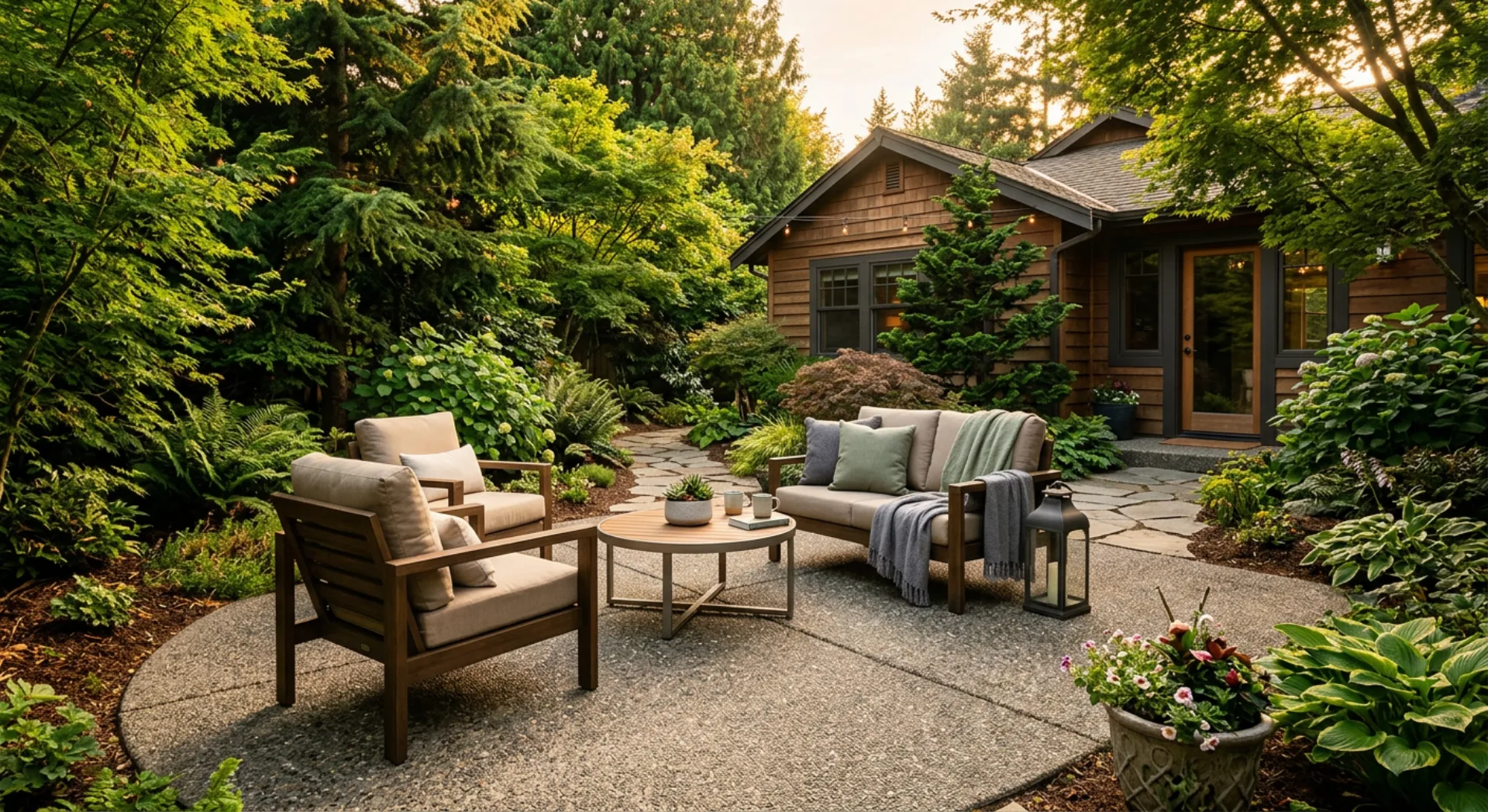
Resistance to Moss and Algae
While no outdoor surface is completely immune to biological growth in the PNW, exposed aggregate's texture and density make it easier to maintain compared to pavers or natural stone with numerous joints and crevices where moss loves to establish itself.
Popular Applications for Exposed Aggregate
Exposed aggregate is incredibly versatile. Here are the most common ways homeowners in Everett, Lynnwood, Bothell, and surrounding areas are using it:
Driveways
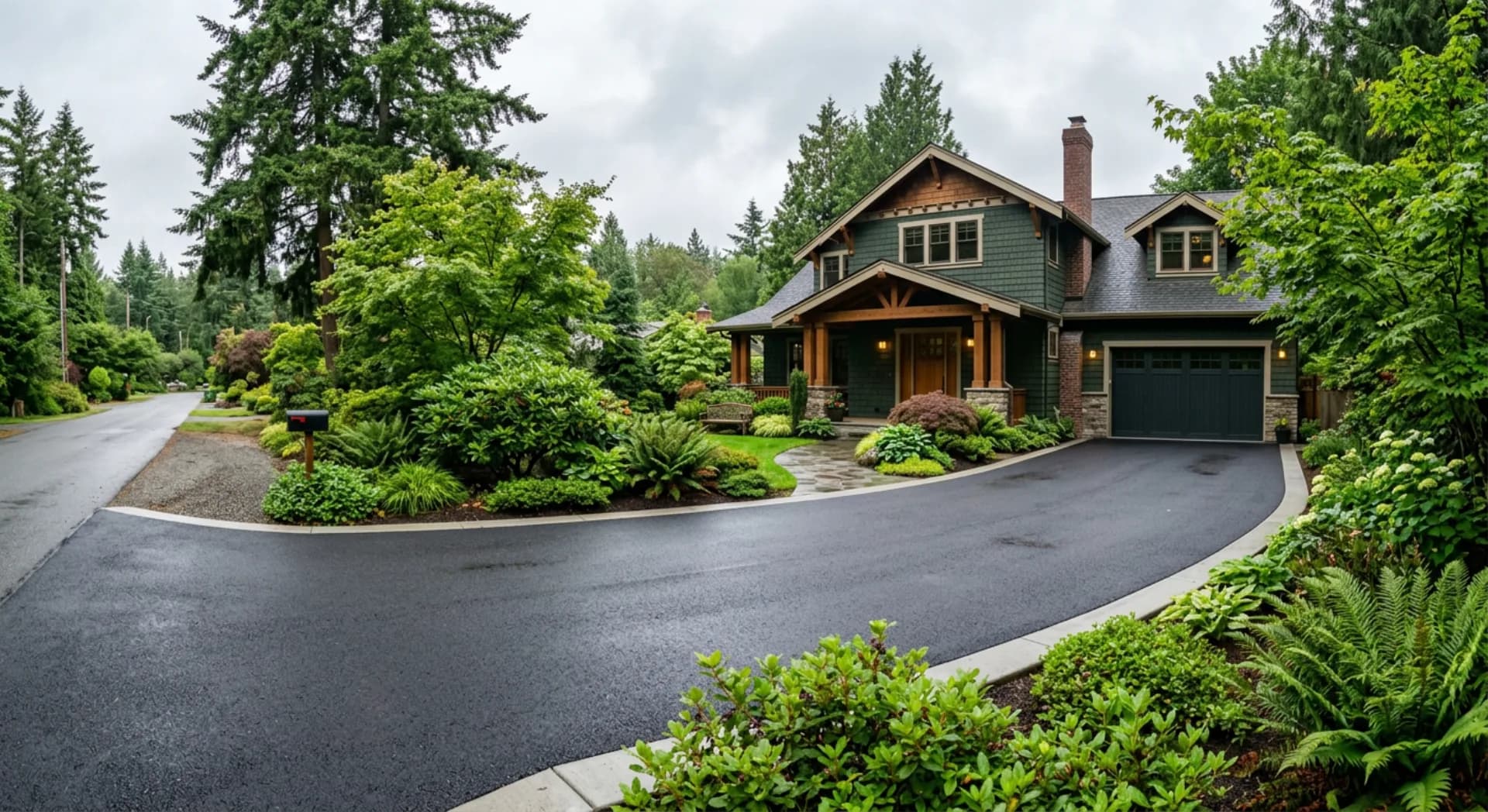
A well-installed exposed aggregate driveway makes an immediate impression. The natural stone finish adds curb appeal while standing up to the weight and wear of daily vehicle traffic. It's a surface that looks better than plain concrete but requires no more maintenance.
Patios and Outdoor Living Spaces
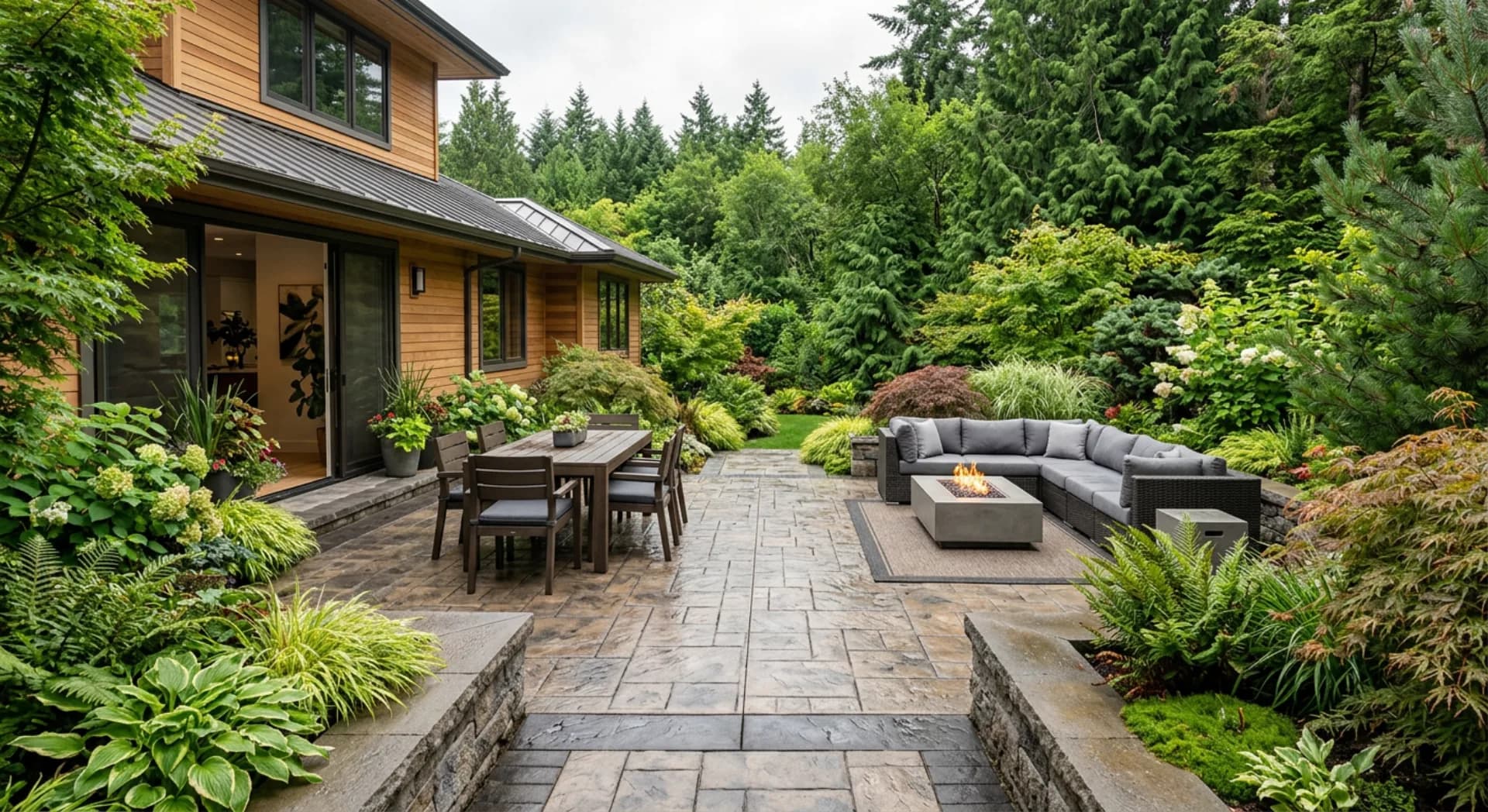
For backyard entertaining areas, exposed aggregate creates a warm, natural aesthetic that blends beautifully with Pacific Northwest landscaping. It pairs well with garden beds, water features, and outdoor kitchens.
Walkways and Pathways
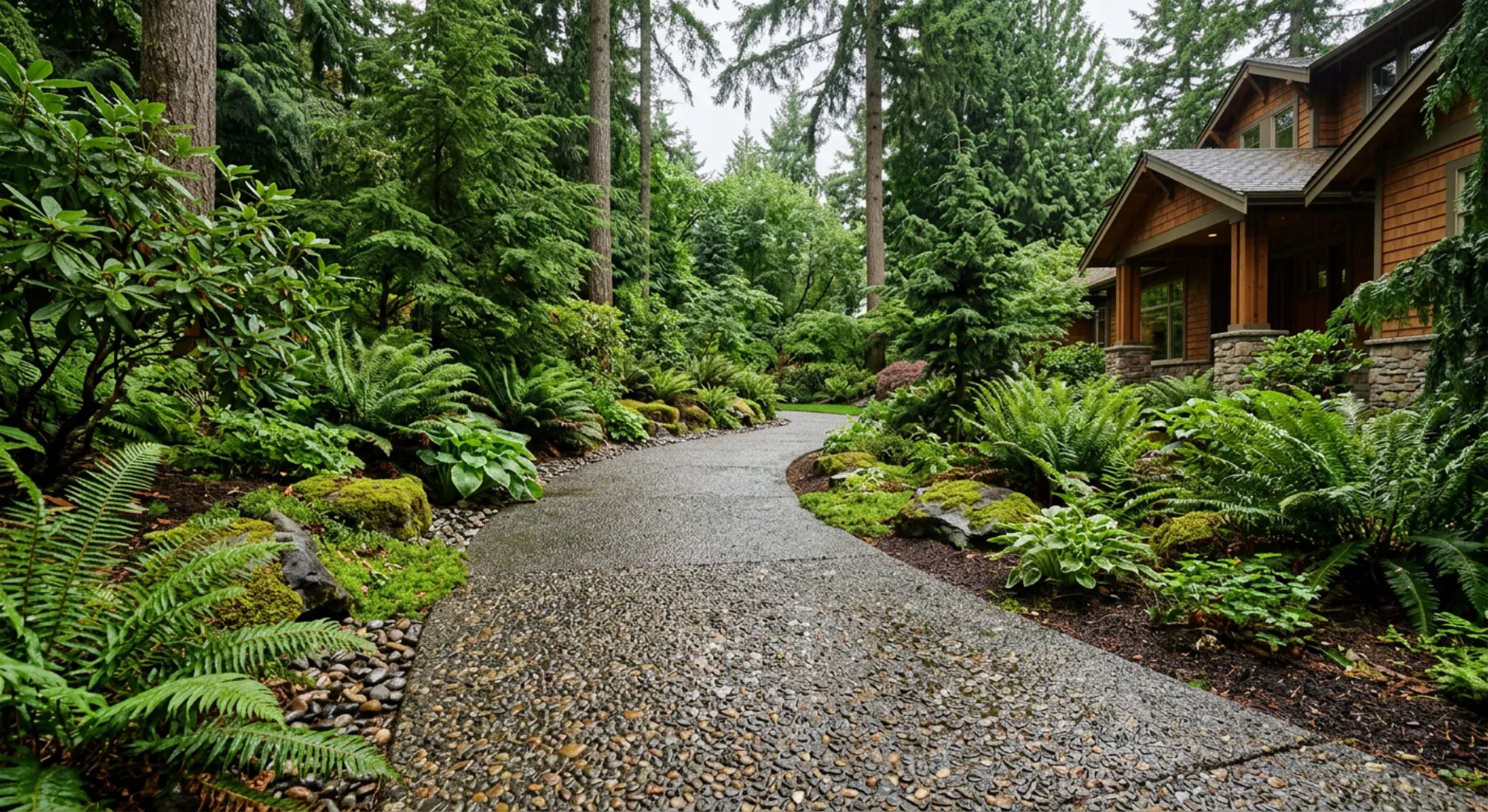
Connecting your front door to the street or winding through a garden, exposed aggregate walkways add character while providing a safe, stable surface year-round. It's one of many concrete flatwork design options available for residential projects.
Pool Decks and Spa Surrounds
The slip-resistant texture makes exposed aggregate an excellent choice around water features where safety is paramount.
The Installation Process
Understanding how exposed aggregate is created helps explain why professional installation matters so much.
The process begins like any concrete pour — with proper site preparation, grading, form setting, and placement. The difference comes in the finishing stage. After the concrete is poured and leveled, a surface retarder is applied to the top layer. This chemical slows the curing of the surface cement while the concrete beneath continues to harden.
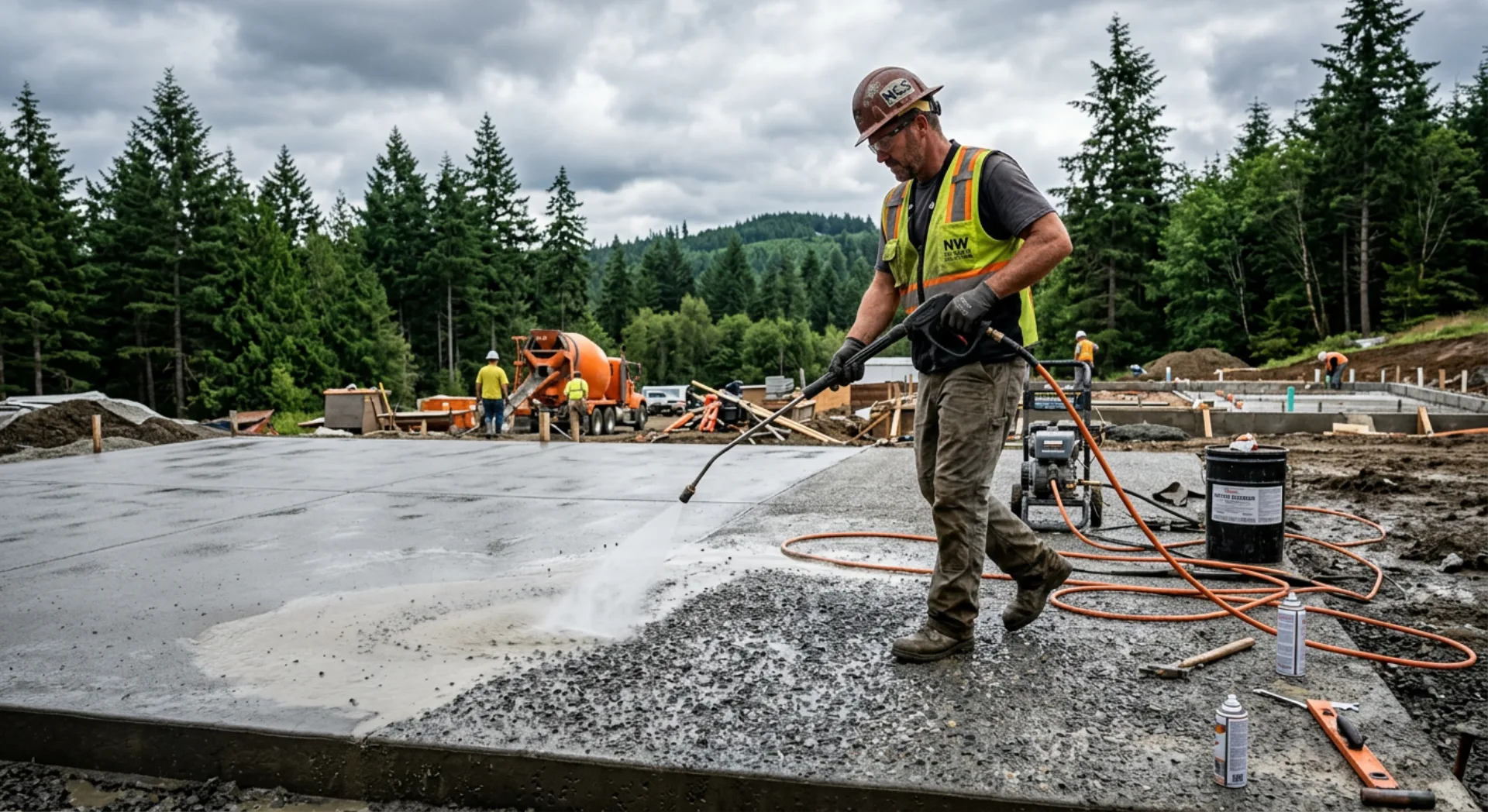
Once the underlying concrete has set sufficiently, the uncured surface paste is washed away with a pressure washer, revealing the aggregate beneath. The timing of this wash is critical — too early and the stones dislodge, too late and the surface won't expose properly. This is where experienced contractors make all the difference.
After washing, the surface is sealed to protect it and enhance the natural colors of the stone. A quality sealer also makes ongoing maintenance much simpler.
Customization Options
One of the great advantages of exposed aggregate is the range of aesthetic options available:
Aggregate Selection
You can choose from a wide variety of natural stones — from local river rock to imported decorative aggregates. The size, color, and type of stone dramatically affect the final appearance. Earth tones blend naturally with PNW landscapes, while bolder color mixes can create striking contemporary looks.
Sealer Finishes
Sealers range from matte to high-gloss, allowing you to control how much the stone colors pop. A matte sealer provides a natural, understated look, while a wet-look gloss sealer intensifies colors and adds depth.
Border and Accent Combinations
Exposed aggregate pairs beautifully with other concrete finishes. A popular approach is combining an exposed aggregate field with smooth or stamped concrete borders, creating definition and visual interest.
Maintenance Tips for Longevity
Keeping your exposed aggregate looking its best is straightforward:
- Regular sweeping or blowing removes debris that can trap moisture and promote biological growth
- Periodic pressure washing (once or twice a year) keeps the surface clean and bright
- Resealing every two to three years protects the surface and maintains the color vibrancy
- Prompt stain treatment — oil, rust, or organic stains should be addressed quickly before they set
- Avoid deicing chemicals — in the rare freezing event, use sand for traction instead of salt-based products
Exposed Aggregate vs. Other Concrete Finishes
When comparing your options, exposed aggregate holds its own against every alternative:
Compared to plain brushed concrete, exposed aggregate offers dramatically better aesthetics and curb appeal while providing equal or better durability.
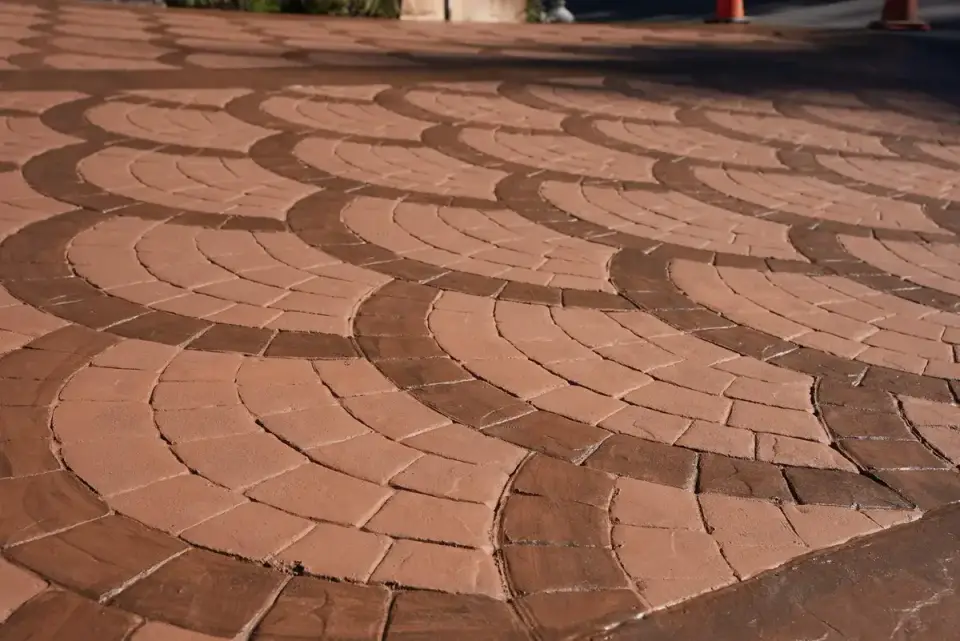
Compared to stamped concrete, exposed aggregate requires less maintenance over time since the appearance comes from within the material rather than from surface treatments that can wear. Stamped concrete may need periodic recoloring, while exposed aggregate's look is permanent.
Compared to pavers, exposed aggregate provides a monolithic surface without joints where weeds and moss can grow. It also avoids the settling and shifting issues that can plague paver installations over time.
Choosing the Right Contractor
The quality of an exposed aggregate installation depends heavily on the contractor's experience. Key factors to look for include:
- Timing expertise — knowing exactly when to wash the surface is a skill developed through experience
- Proper subgrade preparation — the foundation work determines long-term performance
- Quality materials — the right aggregate mix, concrete strength, and sealer selection all matter
- Local climate knowledge — understanding how PNW conditions affect curing and installation timing
Frequently Asked Questions
How much does exposed aggregate concrete cost compared to regular concrete?
Exposed aggregate typically costs $10 to $18 per square foot installed in the King and Snohomish County area, compared to $8 to $14 for standard broom-finish concrete. The premium covers the decorative aggregate, surface retarder, and the additional finishing work required to wash and expose the stone.
Does exposed aggregate concrete get slippery when wet?
Exposed aggregate is one of the least slippery concrete finishes available. The raised stones create a naturally textured surface that maintains excellent traction even in heavy rain. This makes it a popular choice for pool decks, walkways, and driveways throughout the Pacific Northwest.
How long does exposed aggregate concrete last?
With proper installation and maintenance, exposed aggregate concrete lasts 25 to 30 years or more. The key to longevity in the Pacific Northwest is adequate subbase preparation, correct drainage slopes, and regular resealing every 2 to 3 years to protect against moisture penetration and freeze-thaw damage.
Can you add exposed aggregate to existing concrete?
Exposed aggregate cannot be applied as a coating over existing concrete — it's a finish that's created during the pour. However, an existing slab can be removed and replaced with exposed aggregate. Some overlay products mimic the look, but they don't match the durability or authenticity of true exposed aggregate.
What type of sealer works best for exposed aggregate in the Pacific Northwest?
A penetrating sealer or a high-quality acrylic sealer in a matte or satin finish works best for PNW conditions. Penetrating sealers protect from within without changing the surface appearance, while acrylic sealers enhance stone colors and add a subtle sheen. Avoid high-gloss sealers in frequently wet areas, as they can become slippery.
Ready to Explore Exposed Aggregate?
Whether you're planning a new driveway, refreshing your patio, or creating a garden pathway, exposed aggregate concrete delivers the perfect combination of beauty, durability, and practicality for Pacific Northwest living. It's an investment that enhances your property's appearance while standing up to everything our climate can throw at it.
At Jireh Asphalt & Concrete, we've helped homeowners across Everett, Lynnwood, Bothell, Marysville, and throughout King and Snohomish County transform their outdoor spaces with expertly installed exposed aggregate concrete. Contact us today for a free consultation and let's discuss how exposed aggregate can work for your property.