The best time to clean and inspect catch basins, trench drains, and private storm lines in Western Washington is before the fall rains arrive, with follow-up checks during the wet season. Leaves, sediment, and litter collected over the dry months can plug grates and sumps with the first heavy storms, causing ponding, backups, and parking-lot ice when temperatures drop.
Key Takeaways
- Clean before the first big storms — A pre-season cleaning removes the sediment and debris that accumulated over summer, while access is easier and water levels are low.
- Fall leaves are the main threat — Leaf drop in October and November can blind grates and fill sumps quickly; plan follow-up checks after major leaf fall and storms.
- Ponding becomes ice — Standing water in a parking lot is a slip hazard in winter and accelerates pavement damage.
- Inspection rules vary by jurisdiction — Many Western Washington cities and counties require private stormwater facilities to be inspected and maintained, but the obligations differ, so confirm yours.
- Document the work — Dated records and photos help owners track conditions and respond to agency requests.
Why Fall Is the Critical Window for Catch Basin Cleaning
Western Washington's weather follows a predictable rhythm: a mostly dry summer, then a wet season that typically ramps up through fall. During the dry months, catch basins quietly collect sediment from pavement wear, sand, landscaping debris, and litter. Grates may look fine because there is no water moving through them.
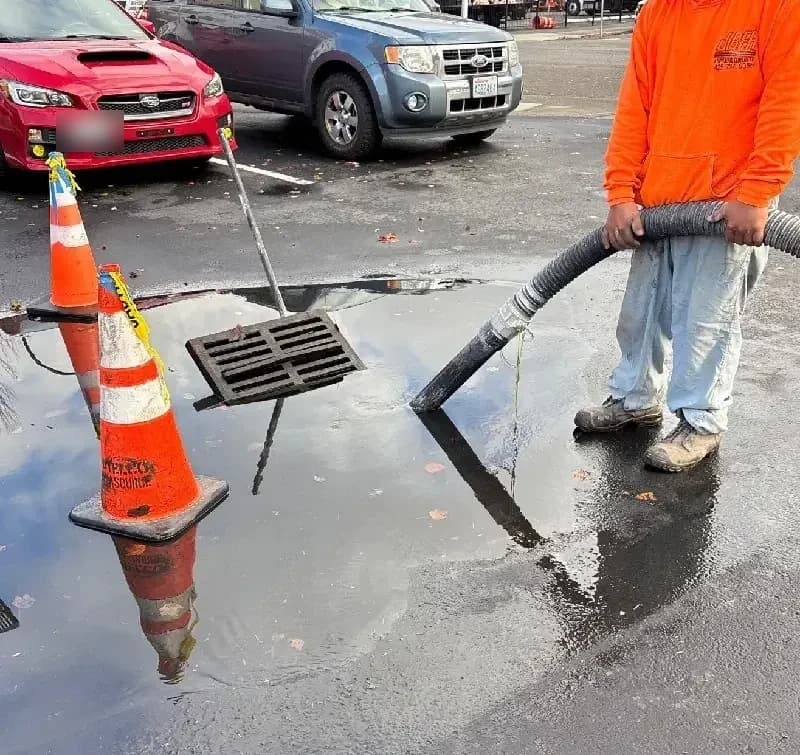
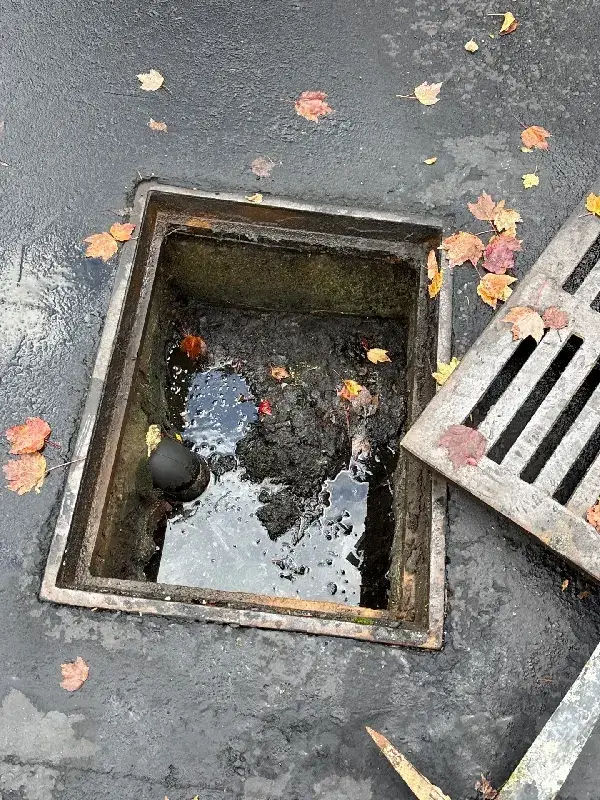
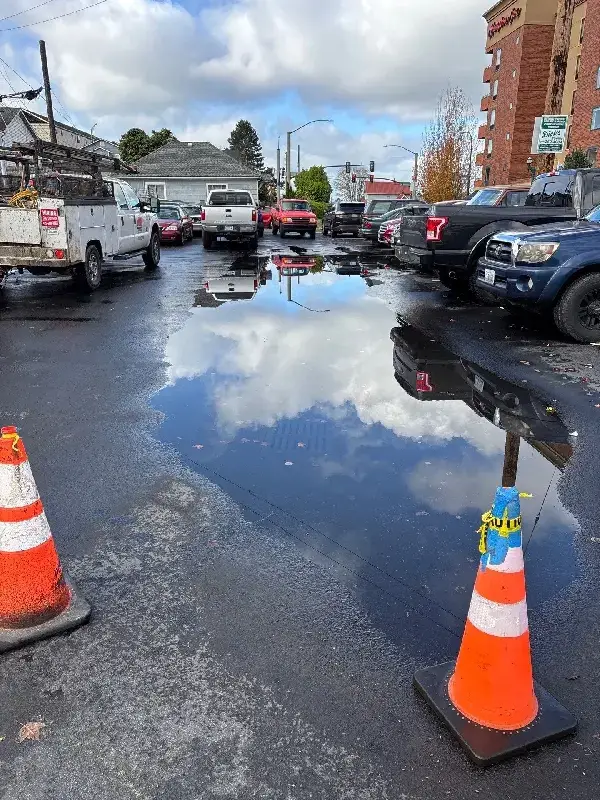
Then the first heavy rains arrive at the same time the trees drop their leaves. Leaves mat over grates, sediment that has settled in the sump washes toward the outlet pipe, and a basin that looked fine in August suddenly cannot keep up. The result is water pooling across drive aisles, at building entrances, and in low parking stalls.
Cleaning before the rainy season does three things:
- Restores capacity in the sump so it can trap sediment instead of passing it downstream.
- Clears inlet and outlet pipes so water can actually leave the basin.
- Gives you a baseline of each structure's condition before winter, when inspections are harder and more urgent.
What Clogged Drains Cost a Property in Winter
A blocked catch basin is not just an inconvenience. Over a Western Washington winter it can lead to:
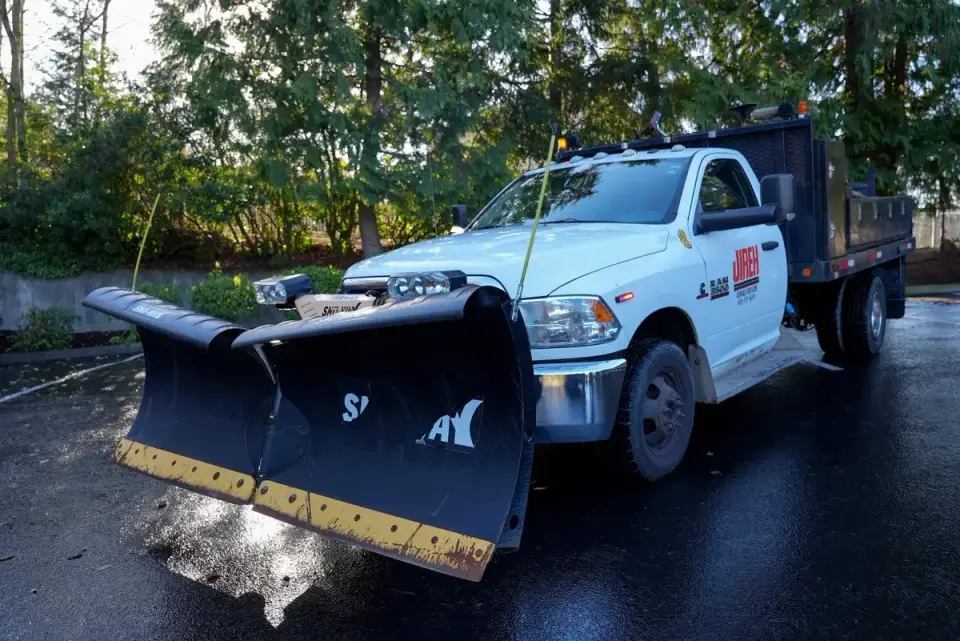
- Ponding and ice. Standing water across a parking lot or walkway can freeze on cold nights, creating hazardous ice patches exactly where people walk. If you are planning winter service, our commercial snow and ice plan checklist explains why drains belong in that plan.
- Pavement damage. Water sitting on asphalt seeps into cracks and the base, speeding up potholes and edge failure. Our guide to extending the life of a commercial parking lot covers how drainage affects pavement lifespan.
- Backups and building water. When a basin or storm line backs up, water can flow toward entrances, loading docks, or lower-level parking.
- Downstream problems. Sediment that passes a full sump can travel into pipes, detention systems, and eventually public storm systems and streams.
Catch Basins, Trench Drains, and Storm Lines: What to Check
A complete pre-season drainage check looks at the whole system, not only the grates you can see.
Catch Basins
- Grate condition: Is it intact, seated properly, and free of debris on top?
- Sump level: How much sediment and debris is in the bottom of the structure? Many maintenance standards use the depth of sediment relative to the outlet pipe as a cleaning trigger.
- Inlet and outlet pipes: Are they open, or partially blocked by debris or roots?
- Structure condition: Look for cracks, settlement around the frame, and gaps where soil may enter.
- Outlet controls or traps: Some basins include elbows, hoods, or other fittings that need to be clear and in place.
Trench and Channel Drains
Trench drains across driveways, loading docks, and garage entrances fill quickly with sand and leaves because their channels are shallow. Lift or inspect the grates, flush the channel, and confirm the outlet is flowing.
Private Storm Lines
Pipes connecting basins can collect sediment or be intruded by roots. If water backs up even after a basin is cleaned, the restriction may be in the line. High-pressure jetting can clear many blockages; recurring problems may call for a camera inspection to see what is going on inside the pipe.
Detention and Treatment Facilities
Many commercial and multifamily sites also have detention vaults, tanks, ponds, swales, or treatment devices. These usually have their own maintenance standards and should be reviewed alongside the catch basins that feed them.
How Often Should Catch Basins Be Cleaned in Western Washington?
There is no single schedule that fits every site. The right frequency depends on:
- Tree cover around the parking lot and drive lanes.
- Traffic and sanding. Sites that are sanded in winter or see heavy truck traffic collect more sediment.
- Site history. Basins that filled quickly last year will likely do so again.
- Your maintenance plan and jurisdiction. Approved operation and maintenance plans, recorded agreements, and local codes may set specific inspection intervals.
A practical approach for many properties is a full cleaning before the rainy season, quick grate checks after major leaf drop and big storms, and a follow-up inspection or cleaning in late winter or spring, adjusted to what you actually find.
Washington Stormwater Rules: What Private Owners Should Know
Many Western Washington jurisdictions require owners of private stormwater facilities, including catch basins, pipes, and detention systems, to inspect and maintain them. Two examples show how this works:
- The Washington State Department of Ecology publishes the Stormwater Management Manual for Western Washington, which includes maintenance standards that many local programs use or adapt.
- The City of Medina asks owners of private stormwater systems to have a City-approved third-party inspector review the facility annually and to submit a maintenance summary form with documentation, such as checklists, invoices, and photos, each year.
Requirements vary widely from one city or county to the next. Some jurisdictions inspect private facilities themselves, some require owner-submitted reports, and some rely on recorded maintenance agreements tied to the original development permit. Confirm the specific obligations for your property with your city or county before assuming a schedule or reporting format. For an example of county-level standards, see our guide to catch basin maintenance in Snohomish County.
A cleaning service is part of meeting maintenance obligations, but no contractor can guarantee compliance on your behalf. The facility owner remains responsible for understanding and meeting the local requirements.
What Professional Jet-Vac Cleaning Looks Like
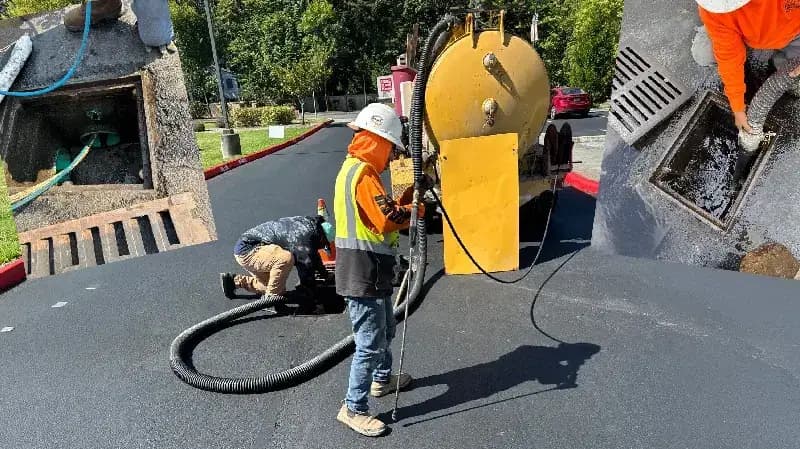
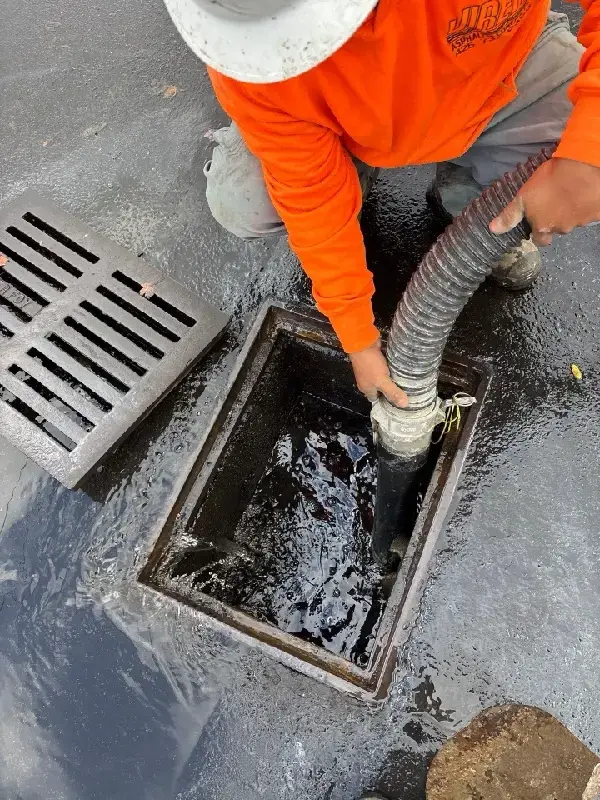
Jireh uses jet-vac equipment, which combines a high-pressure water jet with a powerful vacuum, to clean catch basins and connected lines. A typical visit includes:
- Site setup with cones and traffic control appropriate to the parking lot or drive lane.
- Opening each structure and noting its condition before work starts.
- Vacuuming standing water, sediment, leaves, and debris from the sump.
- Jetting inlet and outlet pipes where included in scope, to clear partial blockages.
- Checking flow after cleaning and reinstalling grates securely.
- Hauling and disposal of recovered material as identified in the estimate.
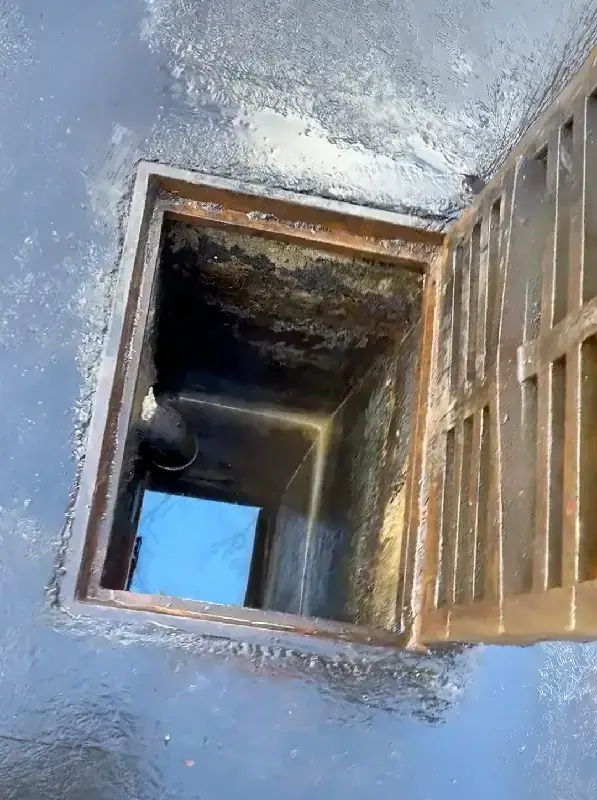
- Documentation, including photos of conditions before and after cleaning when included in the scope.
Catch basins can be confined spaces with hazardous atmospheres, so property staff should not enter them. Surface debris on top of a grate can often be cleared safely from above, but anything inside the structure belongs to trained crews.
Jireh does not operate a camera crawler in-house. When a cleaned line still shows symptoms or a video record is needed, we can coordinate a separate CCTV inspection through a partner and identify that scope in the quote.
A Pre-Rainy Season Drainage Checklist for Property Managers
- Locate and label every basin and trench drain on a site map.
- Gather maintenance documents, such as operation and maintenance plans or recorded agreements.
- Confirm local requirements for inspection frequency and reporting.
- Schedule cleaning before the first major storms, ideally in September or October.
- Plan leaf management with your landscape crew so leaves are not blown into drains.
- Walk the site after the first big storm and note any ponding or slow drains.
- Keep records of each cleaning, inspection, and repair.
Sources
- City of Medina: Private Stormwater System Maintenance
- Washington State Department of Ecology: Stormwater Manuals
Frequently Asked Questions
When should catch basins be cleaned in Washington?
Clean catch basins before the rainy season, typically in late summer or early fall, then check grates after major leaf drop and storms. Many sites also benefit from a late winter or spring inspection. Your maintenance plan or local jurisdiction may set a specific schedule.
Are private property owners responsible for catch basin maintenance?
In many Western Washington jurisdictions, yes. Owners of private stormwater facilities are often required to inspect and maintain them, and some cities require annual inspections and submitted reports. Obligations vary, so confirm the requirements with your city or county.
What causes a parking lot to pond after rain?
Common causes include grates blocked by leaves, sumps filled with sediment, partially blocked outlet pipes, and pavement that has settled into low spots. Cleaning the drainage system resolves many ponding problems; low spots in the pavement may need separate repair.
What is jet-vac cleaning?
Jet-vac cleaning uses a truck-mounted system that combines a high-pressure water jet to break up and flush debris with a vacuum that removes water, sediment, and debris from catch basins and storm lines. It cleans structures without anyone needing to enter them.
Can cleaning catch basins prevent winter ice in parking lots?
It can reduce it. Clear drains move rainwater and snowmelt off the pavement instead of leaving it to pool and freeze overnight. Pair drainage maintenance with a winter sanding or ice-control plan for the best results.
Schedule Your Pre-Season Drainage Cleaning
Jireh cleans catch basins, trench drains, and private storm lines across King and Snohomish County with jet-vac equipment and clear, documented scopes. Learn more about our catch basin cleaning service, and get a free estimate before the heaviest rains arrive.